East Street is Bedminster’s high street, and like high streets everywhere, it’s changed. National chains have gone. Long-standing independents have closed. Prominent shopfronts sit empty, held by private landlords waiting for the market to turn or land-banked for development. Around 92% of East Street freeholds are privately owned. There is no community ownership of commercial property on the street at all.
We’ve surveyed every commercial unit on East Street, Bedminster Parade and Cannon Street. 174 in total. What it shows is that East Street’s problem is not only how many units are empty. It’s when and how the occupied ones are in use, and in underuse.
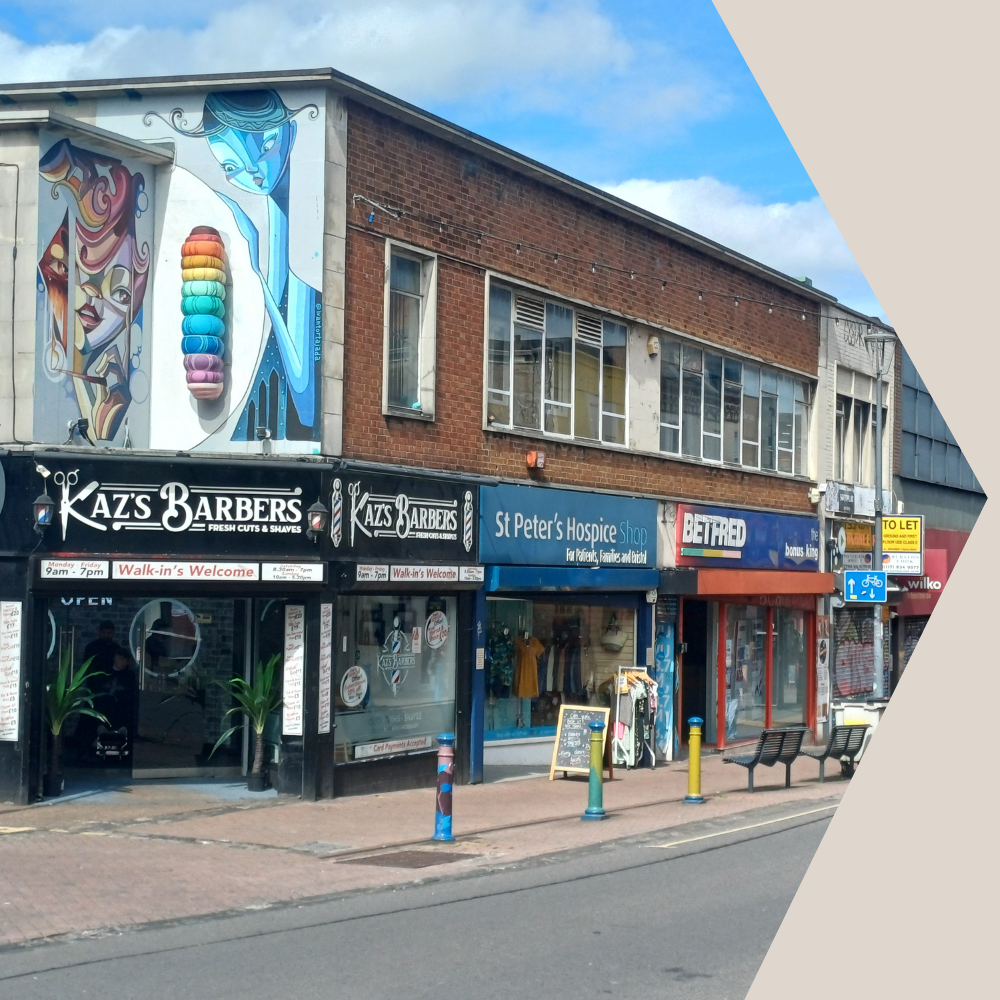
Vacant and underused space is a liability for owners and a loss for the community. In that gap there is room to do things differently.
Nationally, the ground is shifting, and a vacant shopfront is no longer only a private matter between an owner and the market.
Buildings can be listed as Assets of Community Value, which gives a community first sight of a sale rather than news of it afterwards. Where a unit has sat empty for a year or more, councils in England can put a lease out to auction under High Street Rental Auction powers, though Bristol has so far backed occupation through grants rather than compulsion. The Community Right to Buy is on the statute book and, once in force, will strengthen listing into a right of first refusal. In March, the government announced £301m for High Street Innovation Partnerships, framing high streets as mixed-use civic spaces rather than retail ones. None of it is a solution. All of it is leverage.
Bedminster Works works with property owners to explore alternatives to conventional commercial leasing: social leases, meanwhile use agreements and brokered arrangements that bring space back into active, community-serving use while protecting the long-term position of the asset.
We’re building a track record that demonstrates community-led use is not a compromise. It’s a credible, sustainable alternative.